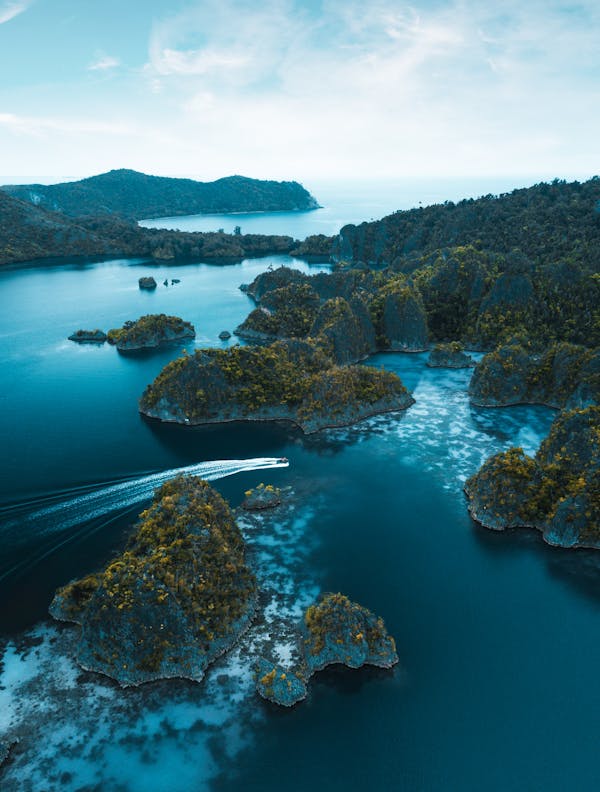
1: Introduction to Indonesia's Geography
Indonesia, an archipelagic nation nestled in Southeast Asia, boasts a captivating geography that mirrors the country's rich cultural diversity. Comprising over 17,000 islands, Indonesia stretches across the equator, making it the world's largest archipelago. From the mountainous landscapes of Sumatra to the vibrant coral reefs of Papua, Indonesia's geography is a tapestry of natural wonders.
Sub-chapter 1.1: The Archipelagic Splendor
Indonesia's archipelago is a mosaic of diverse ecosystems, housing lush rainforests, towering volcanoes, and pristine beaches. The archipelagic state is strategically located between the Pacific and Indian Oceans, fostering a unique blend of marine and terrestrial biodiversity.
1.2: Volcanoes and Tectonic Activity
Blessed with over 130 active volcanoes, Indonesia rests atop the Pacific Ring of Fire, a volatile tectonic region. The archipelago's dynamic geology has shaped its landscapes and contributed to the fertility of its soils. Mount Bromo in Java and Mount Rinjani in Lombok stand as iconic reminders of Indonesia's volcanic majesty.
2: The Breathtaking Diversity of Flora and Fauna
Indonesia's geography is a haven for biodiversity, housing some of the world's most unique and endangered species. From the dense jungles of Borneo to the savannahs of Komodo Island, the country's ecosystems are a treasure trove of natural wonders.
2.1: Rainforests and Endangered Species
The tropical rainforests of Sumatra and Borneo are home to iconic species like the Sumatran tiger, orangutan, and pygmy elephant. However, deforestation poses a significant threat to these habitats, making conservation efforts crucial for preserving Indonesia's rich biodiversity.
2.2: Underwater Paradises
Indonesia's extensive coastline is fringed with vibrant coral reefs, making it a paradise for divers and marine enthusiasts. The Coral Triangle, located in the heart of Indonesia, harbors an incredible array of marine life, including various species of colorful coral, sharks, and sea turtles.
3: Cultural Geography: A Tapestry of Traditions
Beyond its natural beauty, Indonesia's geography has played a pivotal role in shaping its diverse cultures. The archipelago's varied landscapes have influenced local traditions, creating a cultural mosaic that reflects the harmony between humans and nature.
3.1: Rice Terraces and Agricultural Heritage
The stepped rice terraces of Bali and Java showcase Indonesia's agricultural ingenuity. These intricate landscapes not only sustain communities but also represent a harmonious relationship between geography and traditional farming practices.
3.2: Waterways and Maritime Culture
Indonesia's extensive network of rivers and seas has facilitated trade and cultural exchange for centuries. Maritime traditions, from the legendary Bugis sailors to the vibrant floating markets of Kalimantan, illustrate the profound connection between Indonesia's geography and its maritime cultures.
In conclusion, Indonesia's geography is a mesmerizing narrative of natural wonders, biodiversity, and cultural richness. From its volcanic peaks to its coral-laden seas, the archipelago invites exploration and appreciation for the intricate interplay between geography and human civilization


